Powder, Balm or Pencil: Choosing a Lip Colour Format
Compare lip color powder, balm and pencil by feel, finish and application to choose a format that suits your preferred texture and everyday routine.
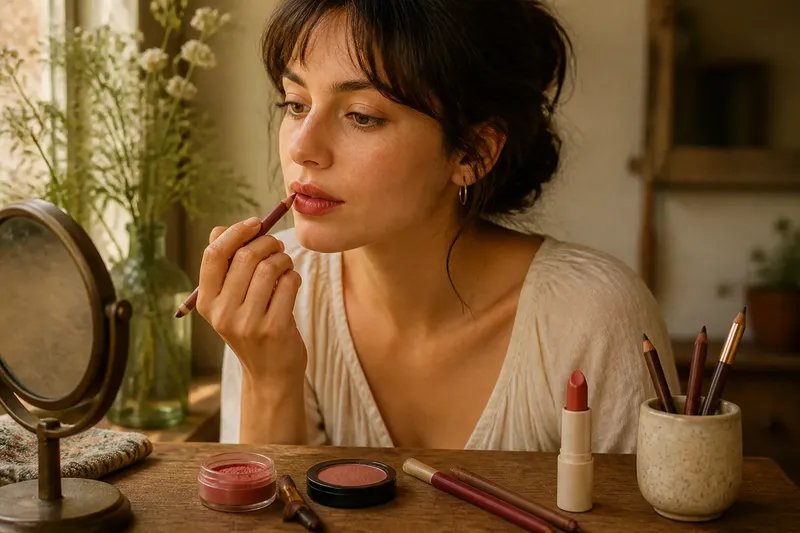
The most common lip color mistake is choosing a format for its polished look in a photo, then discovering its texture feels wrong by lunchtime. Powder, balm and pencil each handle differently, so the useful question is not which one is best but which one suits the way you like to apply color and wear it.
Some products combine these formats, and names on packaging are not always consistent. For a clear comparison, think of powder as loose or pressed pigment applied with a brush or fingertip, balm as a creamy, conditioning color, and pencil as a firm stick that can trace or fill the lips.
Powder Lip Color
Lip color powder is a good fit if you enjoy building color gradually and do not mind using a small brush or clean fingertip. It can leave a soft, blurred finish rather than a clearly outlined edge, and its light feel may appeal if a thick or waxy layer bothers you.
The trade-off is handling. Loose pigment can scatter, and an opaque result may take several light applications. A pressed powder can be easier to carry, but a brush usually gives more control than a fingertip when you want color concentrated near the lip line.
Balm Lip Color
Colored balm suits someone who wants a comfortable, emollient feel and a finish that often looks fresh or softly glossy. It is simple to swipe on without a mirror, though the color may appear more sheer than the shade in its container suggests.
That softness can also mean a less defined edge. If color tends to migrate beyond your lip line, applying balm with a fingertip in a thin layer may give you more control than dragging a generous coat across the lips. A firmer balm can feel less slippery, while a glossier one may need more frequent attention after eating or drinking.
Pencil Lip Color
A lip pencil offers a firmer point for tracing the outline and filling the lip surface. Depending on its formula, it can leave a velvety, satin-like or more matte finish, with a stronger sense of definition than a diffuse powder or sheer balm.
That precision asks for a little more care. A dry or firm pencil may tug, and filling the whole lip can feel less comfortable than using a creamy product. If you prefer a soft look, shade the center first and blend outward with a fingertip or lip brush instead of drawing a sharp border.
Common Format Problems
Why does powder look patchy?
Powder can collect where the lips have dry flakes or where too much pigment lands at once. Try smoothing away loose flakes gently with a damp cloth, letting the lips dry, then pressing on a small amount of powder with a brush; avoid rubbing at sensitive skin.
Why does balm disappear quickly?
A creamy balm can transfer onto a cup or move as you eat because its soft finish is designed to feel emollient. Apply a thin layer and blot once with a tissue if you want a less slippery feel, while accepting that a fresh application may still be part of using this format.
Why does pencil feel draggy?
A firm formula or a dry lip surface can make pencil feel resistant rather than smooth. Warm the tip briefly against the back of your hand, then use light strokes; if it still pulls, choose a creamier pencil or apply balm underneath only if the combination gives the finish you want.
Why does the color look too strong?
A vivid shade can seem more intense when applied as a solid layer, especially with powder or pencil. Tap on color at the center and blend toward the edges, adding more only where you want extra depth.
Choosing Lip Color Format?
Which format is easiest without a mirror?
Balm is often easiest to swipe on casually because its softer color can look forgiving when the outline is not exact. A pencil can also work without a mirror if you apply it in short strokes, but a crisp edge usually takes more attention.
Which format gives the softest finish?
Powder often creates a diffused, blurred effect, while balm can look naturally sheer or softly glossy. The result depends on the formula and how much you apply, so a light layer is a sensible starting point.
Can I use pencil over balm?
You can try a light balm layer beneath pencil if the pencil feels uncomfortable, but too much slip may make the pencil harder to control. Blot excess balm first and check that the two products sit comfortably together.
How do I choose between sheer and defined color?
Choose balm for a softer wash, powder for buildable diffused color, and pencil when you want a more defined outline or fuller coverage. If you are undecided, try the same shade family in a thin application before judging the format.
Match Feel to Routine
Start with the sensation you want to notice—or not notice—through the day. If a slippery coat is distracting, a soft powder may feel more appealing; if dry-feeling color is the problem, balm may suit you better; if you like a neat edge, pencil gives you a direct way to shape it.
Then consider where you apply makeup. A balm is convenient for a quick swipe at a desk or on the way out, powder is easier when you have a clean surface and brush, and pencil travels neatly when its cap stays secure. A small mirror can help with precision, but there is no need to turn every application into a detailed routine.
Say you want color for a casual lunch but dislike sticky lips and sharp outlines. You could try a small amount of powder tapped onto the center, then blend it outward with a fingertip; the expected result is a soft tint with less product sitting on the surface. If that feels dry, switch to balm rather than adding more powder, because increasing the pigment will not solve an uncomfortable texture.
Keep Application Simple
For any format, begin with clean lips and use less product than you think you need. This makes it easier to judge the texture before adding coverage, and it reduces the chance that a color will feel heavy simply because too much was applied at once.
- For powder: Use a clean, small lip brush and tap off excess before applying.
- For balm: Start with one thin pass, then add another only if you want more color.
- For pencil: Use short, light strokes rather than pressing hard along the outline.
- For a softer edge: Blend the boundary with a clean fingertip or lip brush.
- For a drier feel: Try a more emollient format before layering additional pigment.
Clean reusable brushes between uses, and keep product caps closed so the formula stays protected from dust and debris. Follow the product label and manufacturer instructions for use and storage; formulas and applicators vary.
Skip the Extra Work
You do not need a separate liner, several brushes or a complicated layering routine to make a lip color look considered. Those additions are useful only if you enjoy the effect or need more definition; for many everyday looks, one format applied lightly is enough.
Choosing a lip color format becomes easier when you judge it by feel, control and finish together. If you want a low-fuss, soft wash, start with balm; if you prefer blurred color, try powder; if precise placement matters most, reach for pencil. The best match is the one you can apply comfortably and enjoy wearing, not the one with the most elaborate finish.